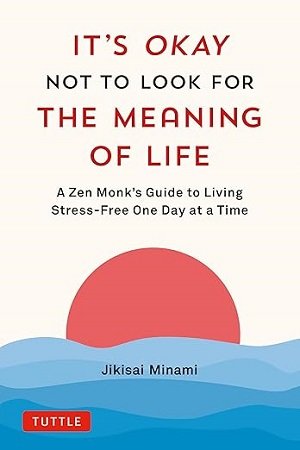
In the
book, the introduction, "A Technique for Living," sets the stage for a
transformative exploration of self-fulfilment and resilience. It presents a
foundational approach to living a meaningful life by emphasizing the importance
of introspection and self-awareness. The technique introduced here is designed
to guide individuals in aligning their actions with their core values and
authentic self.
In Chapter 2 "Shake off the Burden of
Hopes and Dreams," the book challenges readers to release unrealistic
expectations and societal pressures. This chapter advocates for a more grounded
approach to life, where one can let go of the anxiety that comes with chasing
idealized visions of success and instead focus on what is attainable and
fulfilling in the present moment.
The chapter 3 "Don’t Be Swayed by
Emotions" addresses the importance of emotional regulation and mental clarity.
It offers strategies to prevent emotions from overwhelming decision-making
processes and instead encourages a balanced approach to handling life’s
challenges. By cultivating emotional resilience, individuals can make more
rational and effective choices.
Finally, chapter 4 "Live Life to the Full
While Looking Death in the Face" is a profound exploration of mortality and its
role in enriching life. This chapter underscores the value of embracing the
inevitability of death as a means to live more fully and authentically. By
confronting the reality of our limited time, readers are encouraged to
prioritize what truly matters and to live with intention and courage.
The chapter one explores the concept of
self and identity, emphasizing that the self is formed both through personal
consciousness and through recognition by others. It suggests that individuals
are shaped by their interactions with others and that acknowledgment and praise
from others are crucial for self-acceptance.
It highlights the transient nature of
worldly things and the pervasive reality of suffering, proposing that most
problems stem from interpersonal relationships and the difficulty in
distinguishing between actual experiences and perceived issues. The text also
touches on the inherent passive state of humans at birth and the necessity of
external assistance for survival.
The chapter discusses the significance of
illusions in human life and suggests that one's choice of illusion influences
their actions and decisions. It presents a metaphor about the perception of
problems, using the example of a ball on paper to illustrate how the scale of a
problem affects one's view of it.
Additionally, it addresses the value of
education and wisdom, noting that education is not merely about acquiring
knowledge but about developing a comprehensive worldview. It advises patience
and thoughtful reflection in addressing problems and stresses that life involves
choosing which stresses to endure.
The chapter two addresses the idea that
it's okay if one doesn’t have grand dreams or ambitions, as long as they are
living well. It challenges the notion that dreams are solely about career
aspirations or achieving self-fulfilment through work. The author emphasizes
that work should not be overly burdened with the expectation of fulfilling
dreams, and that resilience in the face of frustration can be a valuable asset
for personal growth.
The chapter introduces the idea of "cold
hopes" and "cold dreams," which involve a realistic assessment of how far one is
from their goals. It suggests that having a "theme" in life—a guiding principle
or passion—can provide direction and mental fortitude, helping individuals make
decisions with confidence and without undue hesitation.
The author argues that the value of life
is not measured by whether it was good or bad but by the fact that one lived it
fully, embracing both the highs and lows. It promotes the idea of moving beyond
mere calculations of gain and loss and focusing on meaningful connections with
others. In a world driven by competition and transactions, the chapter
highlights that true identity and fulfilment come from the quality of one's
relationships with others.
The chapter three begins by noting that
self-interest and power often underpin relationships. It aims to offer practical
advice for dealing with emotional struggles and gaining clarity about one’s
problems. A central theme is that many emotional issues stem from incorrect
perceptions or thinking patterns, and that developing "steadfastness" involves
learning to manage and sometimes detach from overwhelming emotions.
The text suggests practical methods for
regaining emotional balance, such as engaging in solitary activities that are
calming and require minimal physical effort, like walking, reading, or enjoying
a meal alone. It emphasizes the importance of finding personal coping strategies
and being physically alone during these activities.
For clearer problem-solving, the chapter advises
expressing issues in simple, concise sentences to make them easier to
understand. It compares this approach to stepping back and objectively viewing a
building during construction to better understand its overall structure.
The chapter discusses common emotional
reactions, such as anger and jealousy, explaining that these feelings often stem
from misguided beliefs and rarely lead to positive outcomes. To manage these
emotions, it suggests mentally separating oneself into two parts: letting
emotions swirl in the "head" while keeping the "body" calm and active.
It also introduces the concept of
"understanding" as an "agreed misunderstanding," highlighting that only a few
key relationships are crucial for survival. It underscores the importance of
investing in family relationships through consistent, sincere communication,
comparing it to nurturing plants. Effective communication requires ongoing
practice and trust, and good listening involves actively reflecting and
stimulating the other person’s thoughts.
The Chapter 4 of the book explore themes
of grief, the significance of human relationships, and the process of coping
with loss. The chapter seems to focus on how people attempt to connect with the
deceased, particularly through spiritual mediums like "itako" in Osorezan, a
place known for helping people come to terms with their grief. It highlights the
enduring impact of parent-child relationships on an individual's emotional life
and the importance of nurturing human connections. The text emphasizes that a
"dead person" is defined by their meaningful role in someone else's life,
underscoring the lasting influence of relationships even after death.
Ultimately, it suggests that while we are alive, we have the responsibility and
opportunity to cultivate and strengthen our relationships with others.
This
book helps readers understand how their identity is shaped by both internal
and external factors, offering a framework for cultivating purpose, direction,
and resilience. It emphasizes the importance of realistic goals, emotional
balance, and finding fulfilment in the present, rather than chasing grand
ambitions. This also introduces the idea of having a life "theme" to provide
direction and mental strength, along with practical methods for managing
emotions and problem-solving. It also encourages readers to confront mortality
to prioritize what truly matters and live more authentically, highlighting the
significance of meaningful relationships.
Book Title:
It’s Okay Not to Look for The
Meaning of Life
Author: Jikisai Minami
Available:
Amazon